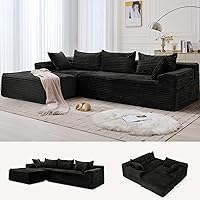
How to Separate a Sectional Couch
To separate a sectional couch, identify and release every connector at the joint, then move each section apart. Follow the sofa’s release instructions and get help with heavy or awkward pieces.
On this page (7 sections)
- How to separate a sectional couch safely
- How can you tell what type of connector your couch has?
- What if the connector is hidden underneath?
- What should you do if the sections won't come apart?
- Which connectors should you choose for reassembly?
- How do you move and arrange the separated sections?
- How to separate a sectional couch and choose what comes next
To separate a sectional couch, identify and release every connector at the joint, then move the sections apart. Follow the sofa’s instructions and get help with heavy or awkward pieces.
The key is finding what holds the sections together before applying force. Some brackets lift apart, some clips have a release, and leg straps must be undone.
You usually don’t need new hardware just to split a couch. The connector options below help when you want to secure the sections again or replace an unsuitable attachment.
How to separate a sectional couch safely
Start by clearing the route and inspecting every joint before lifting or pulling. A freed section can shift suddenly, so decide where each piece will go first.
- Move tables, lamps, and loose rugs out of the route.
- Remove loose cushions and empty any storage compartments.
- Close sleeper or reclining mechanisms, if present, following the sofa instructions.
- Photograph each connection so you can match the parts later.
- Find every bracket, clip, strap, or fastener joining the sections.
- Release one joint at a time while a helper steadies bulky pieces.
- Move the freed section clear before starting the next joint.
Unplug powered furniture before moving it and check for cables running between sections. Follow the manual for disconnecting those cables rather than letting movement pull them loose.
Keep fingers out of the closing gap and lift from suitable structural points. Arms, cushions, fabric handles, and connector hardware aren't lifting points unless the sofa instructions say otherwise.
How can you tell what type of connector your couch has?
Inspect the joint from the front, back, and underneath to identify the release mechanism. A screw head tells you how hardware mounts, but it doesn't tell you how the connecting halves separate.
Use a flashlight or your phone camera to see into a tight space. Check both ends of a joined edge, since releasing one bracket may leave another engaged.
How do you separate a sectional couch with lift-off brackets?
Release lift-off brackets by raising the designated section enough to disengage the hooks, following the sofa instructions. Don't assume both sections lift or that every hook faces the same way.
Have a helper steady the neighboring piece while you make a small, controlled movement. Move the sections sideways only after the hooks are clear.
Does your sectional have screw-mounted connectors?
Leave mounting screws in place unless the instructions require their removal. First check whether the bracket halves lift, slide, or unclip from each other.
The LazyMe Sectional Connectors, 4 Sets suit framed sofas with solid, straight edges and hard, flat mounting surfaces. The pack includes 8 metal pieces, screws, and instructions; LazyMe recommends 2 connectors at each connection.
Choose these for a compatible wood- or metal-framed couch that will mostly stay in one arrangement. Skip them for thick padding, soft or uneven edges, or frequent separation, which LazyMe advises against.
Before fitting screw-mounted hardware, confirm the frame material and use the correct fasteners for it. Don't drive a screw through upholstery into an unknown surface or assume included screws suit every frame.
Does your sectional use straps around its legs?
Undo every strap and band linking adjoining legs before moving either section. Even a loose-looking band can still catch when you pull the pieces apart.
Couch Clamp Pro Heavy-Duty Connectors combine 4 rubber bands with 4 hook-and-loop straps for tool-free fitting and removal. They suit people who rearrange often and have accessible adjoining legs.
Skip this option if your couch has no suitable exposed legs, and check fit carefully with very sharply tapered legs. Couch Clamp warns that this shape may not work.
When refitting, keep straps clear of moving sleeper or reclining parts. Wipe the connectors with a dry cloth and inspect the bands and closures for damage before reuse.
What if the connector is hidden underneath?
Look behind fabric skirts and along accessible frame edges before considering any furniture tipping. Don't cut the dust cover or reach beneath an unsupported section to find a release.
A phone photo can reveal a hidden bracket without putting your head under the couch. If access requires lifting heavy furniture, get suitable help and follow the maker’s handling instructions.
The Korser 110 L-Shaped Modular Sectional offers 3 independent pieces, including an armless seat that can stand alone. It suits someone choosing a replacement couch for changing layouts, rather than someone who only needs a connector repair.
Its specifications identify built-in connectors, so confirm their release method before moving the modules. For initial setup, unpack each piece where it has room to expand; Korser allows 24–48 hours for the foam to regain its shape.
The 30.08-inch seat depth and 14-inch seat height favor low, relaxed lounging. Skip it if you want upright seating or removable seat cushion covers, which this model doesn't have.
Don't assume every sectional offers equally useful standalone pieces. Our sectional versus modular sofa guide explains the layout differences to consider before replacing your couch.
What should you do if the sections won't come apart?
Stop applying force and check for a second attachment or a loaded bracket. Pulling sideways while hooks remain engaged can bend hardware or strain its mounting points.
Bring the pieces back into alignment if they have twisted, then inspect the joint again. A helper can steady the adjacent section while you follow the correct release direction.
Common mistakes include:
- Pulling the sections apart before releasing all connectors.
- Removing mounting screws when only the bracket halves need disengaging.
- Lifting the wrong side of a directional hook.
- Dragging one section while another remains attached.
- Using a screwdriver as a pry bar against fabric or metal.
If hardware is bent, screws are pulling out, or the frame moves around the mount, stop. Ask the sofa maker or a furniture repair professional how to release and repair the joint.
Keep any removed fasteners in a labeled bag. Photograph their original positions so reassembly doesn't become guesswork.
Which connectors should you choose for reassembly?
Choose hardware by frame access and release method, then consider how often you rearrange. Keep working original connectors whenever they suit your layout.
Measure the mounting area, clearance from the floor, and gap between adjoining sections. Check that the hardware can engage without catching upholstery or interfering with moving parts.
The UPVONT Thickened Alligator Sectional Connectors fit a sturdy wooden bottom frame with room for installation. They require at least 1 inch of clearance beneath the frame.
These suit a couch with padded sides that make edge-mounted hardware awkward, provided the wooden base is accessible. Skip them for a frame without suitable wood, insufficient clearance, or no safe mounting space.
UPVONT's clamps release by lifting and reconnect by aligning the brackets and pushing them together until they click. That makes them a useful choice when you want a fixed mount that can disconnect without removing its screws.
Mark matching mounting positions before fastening new hardware, and follow its installation instructions. After joining the sections, check that all feet rest on the floor and the connection is fully engaged.
For the full sequence, see how to connect a sectional couch together. If the couch still shifts, how to keep a sectional couch together covers the next checks.
How do you move and arrange the separated sections?
Measure each freed piece and its route before carrying it into position. Separated sections still need clearance through doors, around corners, and beside other furniture.
Check sectional sofa dimensions when planning the space for a long chaise or corner unit. Include the new footprint if you're leaving gaps between pieces.
Use suitable floor protection and enough people to control each section. Avoid dragging it by an arm or pushing against exposed connector hardware.
Vacuum accessible floor areas and remove debris around the connectors before rejoining. Don't soak metal hardware or nearby upholstery; follow the sofa’s care instructions for fabric cleaning.
For separate seating, check that each piece stands securely and has a usable finished side. Some sectional units are more useful as joined seats than standalone chairs.
Read how to arrange a sectional sofa in a living room for layout ideas that preserve walking routes. If you're replacing the whole couch, our sectional sofa buying guide covers the broader choices.
How to separate a sectional couch and choose what comes next
Use the original connector’s release method if you only need to move or clean behind the couch. New hardware makes sense when an attachment is missing, damaged, or poorly suited to your layout.
Choose Couch Clamp Pro for frequent rearranging with compatible legs. Choose LazyMe for firm, straight mounting edges and an arrangement you don't plan to separate often.
Choose UPVONT when you have a suitable wooden bottom frame and want a lift-release connection. Consider Korser only if you're replacing the sofa and want independent modules with low, deep seating.
Once you've worked out how to separate a sectional couch, keep a photo of its connections for next time. After rearranging, follow how to keep a sectional couch together to secure the new layout.
Frequently asked questions
Can you separate a sectional couch by yourself?
You can separate light, independent modules yourself if you can reach and release their connectors safely; get help with heavy, bulky, or awkward sections, especially a chaise or sleeper unit. Remove loose cushions, clear the route, and keep your fingers away from the joint as the pieces come free.
Which way do sectional couch connectors come apart?
The release direction depends on the connector: some brackets lift apart, some clips need a latch released, and leg straps must be undone. Check the sofa instructions and inspect both sides of the joint before moving anything; screws may hold the brackets to the frame without needing removal during separation.
Can I separate a sectional couch with screw-in brackets?
Yes, but identify how the bracket halves disconnect before removing any screws; many connecting parts release while their mounts stay attached to the frame, while other designs require fastener removal. Support both sections as instructed, and avoid repeatedly removing mounting screws because that can weaken their grip in the same holes.
How do I stop a sectional couch from sliding apart afterward?
Reconnect the original hardware first, making sure every joint engages and each section sits level. If you need replacement connectors, match them to the frame, mounting space, or adjoining legs; choose removable straps for compatible legs or suitable brackets for a firm frame, then check the connection after rearranging.