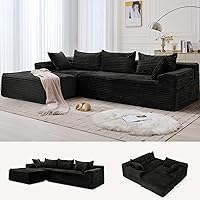
Furmax Sectional Couch Review: Worth It? (October 2026)
Furmax sectional couches suit buyers who want a traditional framed sofa with soft chenille upholstery. Choose this model if its dimensions fit your room; confirm cover removal before buying if washable covers are a must.

On this page (7 sections)
- Who should buy Furmax sectional couches?
- How does the Furmax compare with the alternatives?
- How can you check whether the Furmax will fit?
- What should you plan for delivery and setup?
- How should you clean the Furmax upholstery and cushions?
- What mistakes should you avoid before ordering?
- Which Furmax sectional couch alternative should you choose?
Furmax sectional couches suit buyers who want a traditional framed sofa with soft chenille upholstery. This grey model makes sense for a settled living room layout, provided you confirm its dimensions and resolve the cover-care question before buying.
Its strongest case is straightforward: a solid wood frame, high-density sponge cushions and 4 included throw pillows. It isn't the first choice here for frequent rearranging, built-in storage or a double-chaise layout.
Who should buy Furmax sectional couches?
Choose the Furmax if you want a framed sofa for everyday sitting and lounging, and you already know where it will stay. Buyers who need separate seats, storage or two places to stretch out have clearer alternatives below.
Furmax Chenille Sectional Couch

- Grey chenille upholstery
- High-density sponge cushions
- Wood frame
A framed sectional for buyers who want chenille upholstery without needing separate, rearrangeable modules. Confirm dimensions and cover removal before committing.
Pros
- High-density sponge cushions
- Solid wood frame
- Four throw pillows included
Cons
- Two-package delivery may arrive separately
- Assembly required
- Confirm dimensions and seat-cover removability
Furmax gives this sectional a 650 lb weight capacity. Treat that as the limit for the whole sofa, rather than a per-seat allowance, and account for everyone likely to sit together.
The included pillows let you adjust your sitting position without buying a matching set. Move one behind your back for a more upright position, or set pillows aside when you want more usable seat space.
Furmax describes the chenille as breathable and resistant to pilling. Those are brand claims, so choose it because you want a soft, textured fabric, rather than expecting upholstery that needs no care.
Who should skip this Furmax sectional couch?
Skip it if washable seat covers are nonnegotiable and you can't confirm how they come off. The care information conflicts, which matters in homes where food spills, muddy paws or frequent cleaning drive the choice.
Also choose another model if you want to move individual seats between rooms. The Furmax isn't described as a set of independent modules, and its attached back cushions aren't loose cushions you can swap between seats.
Don't assume the sofa converts into a bed because Furmax uses sleeper wording in its description. A pull-out mechanism, mattress and sleeping dimensions aren't established here, so buy it as seating.
How does the Furmax compare with the alternatives?
The Korser suits changing layouts, the Shintenchi suits tighter rooms, and the TROMIRY suits shared lounging. The Furmax remains the option to consider when its framed construction and fabric match your needs.
| Sofa | Room-fit facts | Main reason to choose it |
|---|---|---|
| Korser 110 L-Shaped Modular Sectional | Nominal 110 in width; measurements vary | Independent modules for rearranging |
| Furmax Chenille Sectional Couch | Confirm overall dimensions | Framed seating with chenille upholstery |
| Shintenchi Upholstered Sectional With Storage | 76.5 W x 52.6 D x 33.7 H in | Shorter footprint, storage and reversible chaise |
| TROMIRY 112 U-Shaped Sectional | 111.8 W x 46.4 D x 34.6 H in | Double chaise for two lounging positions |
Compare the Furmax with our broader sectional couch picks if you're still choosing a shape. Our sectional vs modular sofa guide explains which kind of flexibility matters before you order.
Choose Korser for rooms that change
The Korser has 3 independent pieces, including an armless seat that can work on its own. That makes it useful for renters who may need a different arrangement after a move.
Its corduroy upholstery, side pockets and foam construction suit a casual lounge area. The 30.08 in seat depth gives you room to curl up, but shorter users may want a back pillow for upright sitting.
The 14 in seat height is the main reason to pause. Skip it if you prefer a higher seat or find low furniture awkward to get out of.
Seat cushion covers aren't removable, so this isn't the alternative to choose solely for easier laundering. Read our Korser 110 L-Shaped Modular Sectional review for a closer look at its layout.
Choose Shintenchi when floor space matters most
The Shintenchi combines a reversible chaise with a storage ottoman. It suits a room where you need to keep a walking route clear and put throws or other loose items out of sight.
Removable back cushions offer more flexibility for repositioning than attached ones. Its carbon black corduroy also gives you a different fabric and color choice from the Furmax.
Skip this compact model if several people expect to stretch out together. A three-seat description doesn't mean three adults will each have generous lounging space.
Choose TROMIRY for two people who stretch out
The TROMIRY's double chaise lets two people put their feet up without sharing one chaise end. Its cushions use foam and elastic springs, and the upholstery is dark grey chenille.
Choose it for a room where lounging takes priority over open floor space. Check the route around both projecting ends, especially if the sofa sits between a doorway and the television.
Skip it when your room needs a clear path through the seating area. Its seat cushion covers are nonremovable, so it also doesn't solve the need for washable seat covers.
How can you check whether the Furmax will fit?
Get exact overall and package measurements before ordering, then check the room and the route into it. Two delivery boxes can make handling easier without proving that either box will clear your stairs or doorway.
Start with the space the sofa will occupy, including any projecting chaise or corner section. Use painter's tape to mark the outline, then walk around it while carrying a laundry basket or tray.
Check nearby doors, drawers and cabinets with them fully open. A sofa that fits against the wall can still block everyday access once the room is in use.
Measure the narrowest points along the delivery route, including stair turns and landings. If you use an elevator, check its doorway and interior space rather than relying on the building entrance alone.
Our sectional sofa dimensions guide explains the measurements to compare. If you haven't settled on a shape, the sectional sofa buying guide covers the main layout choices.
Match the seating to your daily routine
Choose the position that supports how you actually use the room. A chaise aimed at the television may work well for evenings, while a seat facing other chairs may be better for conversation.
Think about who gets the corner seat and who needs to leave the sofa often. Avoid an arrangement that makes one person step over another person's legs to reach the door.
For more layout ideas, use our guide to arranging a sectional sofa in a living room. Keep the taped outline in place for a day so you can notice blocked routes before committing.
What should you plan for delivery and setup?
Plan around 2 separate packages and a cushion expansion period. Furmax says the boxes may arrive at different times and the vacuum-packed cushions need about 48 hours to regain their shape.
Choose a setup day after both packages arrive. Count the legs, armrests, pillows and hardware against the instructions before starting, and photograph any visible shipping damage.
Open packaging carefully, keeping sharp blades away from compressed fabric and cushions. Keep small hardware together in a tray so a missing piece doesn't stop assembly halfway through.
Furmax estimates assembly at about 20 minutes, but reserve extra time for unpacking and moving the parts. Work near the final position, following the stated connection order rather than forcing pieces that don't line up.
Leave room around the cushions as they expand, and keep the packaging until you've checked the whole sofa. Avoid judging the final cushion shape immediately after unboxing.
The Korser is the simpler alternative if you want to avoid tools and screws. It arrives vacuum-packed too, with a stated expansion period of 24–48 hours.
The Shintenchi uses tool-free assembly with an estimated 20-minute setup. TROMIRY supplies numbered parts and tools, estimates about 30 minutes, and ships in 2 boxes.
How should you clean the Furmax upholstery and cushions?
Follow the supplied care label, and confirm cover removal before choosing this sofa for easy laundering. Furmax calls the seat and back covers removable and washable, but also identifies the seat cushion cover as nonremovable.
An attached back cushion and a removable cover are different features. Don't pull on a cushion or force a zipper because you expect the entire cushion to detach.
For regular care, remove crumbs and loose dust with a suitable upholstery attachment. Work gently along seams and creases, where debris can collect, rather than pressing a stiff brush into the fabric.
Blot spills promptly with a clean cloth instead of rubbing them across the seat. Use only a cleaning method allowed by the care label, and try an approved cleaner on a hidden area first.
If the covers can be removed, follow their washing and drying directions exactly. Heat can change the fit of some upholstery fabrics, making covers difficult to put back on.
Don't treat removable cushions, removable covers and machine-washable covers as interchangeable features. Each answers a different question about how you'll maintain the sofa.
For homes with pets, focus on access for cleaning and the care routine you can keep up with. No fabric should be treated as scratch-proof, and a soft texture alone doesn't establish stain resistance.
What mistakes should you avoid before ordering?
Avoid choosing by the sofa's photo or headline size alone. Room fit, sitting position and cleaning needs can change which model is the better choice.
- Ignoring seat height and depth: A low, deep couch can suit lounging but feel awkward for someone who wants their feet flat on the floor.
- Assuming storage means sleeping space: An ottoman can hold belongings without being a bed mechanism.
- Planning assembly before all boxes arrive: Wait until you can check the full set of parts.
- Treating a capacity figure as a comfort measure: Weight capacity doesn't tell you how much elbow room each person gets.
- Expecting every sectional to rearrange: Separate modules and a reversible chaise offer different kinds of flexibility.
Choose your must-have feature before comparing appearance. If that feature is uncertain, resolve it before using the fabric or included pillows as a reason to buy.
If you're weighing several entry-level options, our best cheap sectional sofas guide can help you compare different layouts. Keep your room measurements beside you so a larger sofa doesn't win simply by looking more generous.
Which Furmax sectional couch alternative should you choose?
Choose among these Furmax sectional couches and alternatives by the problem you need the sofa to solve. Use the following decision rules after confirming room fit.
- Pick Furmax for a traditional framed sectional when its care requirements work for your home.
- Pick Korser when moving separate seats and changing the arrangement matter most, provided you want low seating.
- Pick Shintenchi when a shorter footprint, reversible chaise and storage solve your space problem.
- Pick TROMIRY when two people regularly want to stretch out and you have room for both chaise ends.
Before ordering, write down the exact footprint, the delivery route and your required cleaning method. If any one of those remains unresolved, keep comparing rather than letting the sofa's appearance decide for you.
The complete sectional sofa guide is the next useful step if you're still choosing between a compact L shape, separate modules and a wider lounge layout.
Frequently asked questions
Are Furmax sectional couch covers washable?
Confirm cover removal before relying on washable covers. Furmax describes the seat and back cushion covers as removable and washable, but its seat-cover information conflicts.
Follow the supplied care label for the cleaning method, water temperature and drying instructions; washable doesn't automatically mean suitable for a washing machine.
Does the Furmax sectional need assembly?
Yes, the Furmax sectional requires assembly, and instructions are included. Furmax estimates about 20 minutes, but leave extra time to count parts, check the hardware and position the sections.
Assemble it near its final location, and avoid tightening connections fully until the pieces line up as directed.
How many packages does the Furmax sectional come in?
The Furmax sectional ships in 2 packages that may arrive separately. Track both before setting aside time for assembly, and keep the packaging until all parts have been checked.
If a box arrives damaged, photograph it and inspect the contents before moving on with setup.
What should I measure before buying the Furmax sectional?
Get the exact sofa and package dimensions, then measure both the room and delivery route. Check door openings, hallway turns, stair landings and elevator access where relevant.
Mark the sofa's footprint on the floor, leaving space for people to pass and nearby doors or drawers to open.